
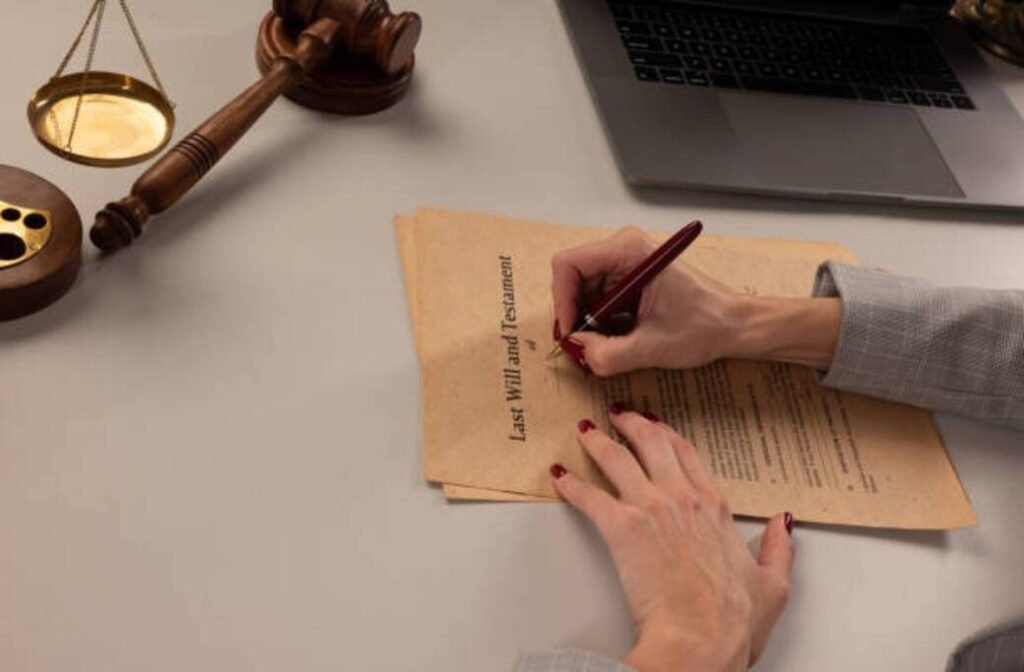
When someone passes away, the process of managing their estate can be complex especially when there is no will.
This is called intestacy. In such cases, family members or close relatives usually apply to handle the estate.
This article explains what a deed of renunciation intestacy means, how it works when there is no will, and what happens when executor powers are reserved.
What Is a Deed of Renunciation Intestacy?
A deed of renunciation intestacy is a legal document used when someone who has the right to manage an estate under intestacy law decides not to do so.
When a person dies without a will, the estate is managed under intestacy rules.
These rules decide who can apply for letters of administration, which give the legal authority to manage the estate.
The person who applies is called an administrator, not an executor, since there is no will.
But sometimes, a person who has the first right to act may not wish to take on the role.
In this case, they must complete a deed of renunciation intestacy to officially give up that right.
When Is a Deed of Renunciation Intestacy Used?
This document is used only when the deceased left no valid will. It is most common when:
A spouse or next of kin does not want to deal with legal or financial matters.
Family members agree that another person is better suited to handle the estate.
There are multiple people entitled to apply, but not all want to take part.
Once the deed of renunciation intestacy is signed, the person gives up their legal right to apply for the grant of administration.
How Does Renunciation of Administration Work?
The renunciation of administration in case of intestacy follows a set legal process.
It must be done properly to avoid confusion or disputes later.
Here’s how it works:
Identify the right person to act: The intestacy law sets an order of priority (spouse, children, parents, siblings, etc.).
Decide whether to renounce: The person with the first right may choose not to apply for the grant.
Prepare the deed of renunciation intestacy: A legal document is drafted and signed in front of a witness or solicitor.
File the deed with the Probate Registry: It becomes part of the official probate record.
Once filed, the renouncing person cannot later change their mind without special court permission.
Why Would Someone Use a Deed of Renunciation Intestacy?
There are several reasons why a person might decide to renounce their right to manage the estate:
They live far away or are unable to handle the process.
The estate is complicated or includes disputes.
They prefer that another family member or professional handles it.
They feel emotionally unable to manage it after the loss.
What Is the Difference Between Executor and Administrator?
In both cases, renunciation means giving up the right to act.
The document used for this is called a deed of renunciation.
If you want to understand how the same process works when a will exists, you can explore the guide on how much a deed of renunciation costs in the UK.
This helps compare the process in both probate and intestacy situations.
Understanding Executor Power Reserved
Sometimes, a person does not want to renounce completely but prefers to reserve their power.
This means they choose not to take part now but keep the right to step in later if needed.
This is called power reserved. It is commonly used when there are multiple executors or administrators.
For example:
Two siblings are entitled to handle an estate under intestacy.
One sibling decides not to act immediately.
Instead of signing a deed of renunciation intestacy, they reserve their power.
This allows them to apply later if the other administrator cannot continue.
It’s a flexible option for those who are unsure about taking the role right away.
Role of Deed of Renunciation Intestacy PLC
Law firms often prepare a deed of renunciation intestacy PLC form.
PLC here refers to a standard legal format approved for professional use.
These forms ensure accuracy and compliance with UK probate rules.
They include all essential details such as:
The name of the deceased
The relationship of the person renouncing
A clear statement of intent to renounce
Witness signatures
Using a solicitor or professional firm ensures the document is valid and properly filed with the Probate Registry.
Renunciation of Administration in Case of Intestacy: Key Points
When completing the renunciation of administration in case of intestacy, here are the main things to keep in mind:
The renunciation must be in writing and signed.
It must be witnessed by an independent person.
Once accepted, it is legally binding.
The person renouncing cannot act later without a court order.
This process is serious and should be handled carefully.
Once submitted, it gives another eligible person the right to apply for the letters of administration.
What Happens After Renunciation?
After signing the deed of renunciation intestacy, the next eligible person (for example, a child or sibling of the deceased) can apply for the grant of administration.
The renouncing person’s name will still appear in the official probate record, but they will have no involvement in the estate’s management.
This helps prevent delays and ensures that the estate is distributed according to intestacy law.
If you need help drafting legal forms or submitting them correctly, reach out to get help from probate specialists.
Summary
To sum up, a deed of renunciation intestacy allows someone to give up their right to administer an estate when there is no will.
It’s a legal way to step aside and let another person handle the estate, especially when you’re unable or unwilling to manage it.
Sometimes, people prefer to keep their executor power reserved, which means they can act later if needed.
Both options depend on personal choice and family circumstances.
The team at Probate Central helps families handle probate and intestacy matters simply, quickly, and with full peace of mind.